Engineers at 1Password use Codex to rapidly build new features and internal tools, reaching production-readiness while maintaining rigorous security policies.
Hundreds of thousands of AI agent sandboxes can already run concurrently on a single DeepSeek cluster. Now the company is staffing up to handle what happens as that number — along with its training, evaluation, and other backend workloads — keeps climbing.
Cui Tianyi, who joined DeepSeek in March and works on its Harness team, the group responsible for the infrastructure and environments used to run and evaluate agents, announced in an X post that roughly 150 engineering positions on September 7, with the hiring concentrated in server-side engineering and Agent Elastic Compute rather than AI research. The work spans operating systems, virtualization, networking, storage, scheduling, and the control-plane services that coordinate those resources.
Cui said DeepSeek’s existing backend systems will need upgrades, maintenance, and rewrites as workloads grow. One such system at the center of that scaling challenge is DeepSeek Elastic Compute, or DSec, the sandbox infrastructure DeepSeek built to execute agent workloads during post-training and evaluation.
Cui said DeepSeek’s existing backend systems will need upgrades, maintenance, and rewrites as workloads grow.
Four sandboxes, one SDK
Agent workloads require more than GPUs for inference, with each agent also needing an isolated environment to run code, call tools, change files, and collect the results.
DSec supports four types of those environments through the same Python SDK. Simple function calls go to pre-warmed containers, while Docker-compatible containers handle jobs that need a persistent environment. DeepSeek uses Firecracker microVMs when stronger isolation is needed and QEMU virtual machines for workloads that require a full guest operating system.
That range means the same infrastructure can handle anything from a simple tool call to a software-engineering task that needs an entire OS. It’s a similar challenge to the one the rest of the industry is bumping into as agents move from demos to production. OpenAI, for instance, recently designed custom silicon specifically to address the compute pressure that agent workloads create, and DeepSeek open sourced its own agent harness in August.
Lazy loading agent environments
Every sandbox needs its own environment, but copying complete container or VM images onto every host would consume enormous amounts of storage and network bandwidth while adding to startup time. DeepSeek gets around that by tying DSec into 3FS, the distributed filesystem it originally built for its AI infrastructure, and keeping container base images and filesystem commits as read-only layers backed by 3FS.
The metadata stays local, but the underlying data blocks are fetched only when they’re actually needed. MicroVMs use a similar setup, sharing their read-only base layer through 3FS while writes from individual sandboxes are kept in local copy-on-write layers.
DeepSeek says DSec reduces duplicate page-cache usage across virtualized environments and reclaims memory to allow safe overcommitment, while changes to the container runtime cut the CPU overhead of each sandbox.
The team also had to deal with spinlock contention inside the container runtime. At small scale, the CPU time spent there barely registers. At scale, it limits how densely those environments can be packed onto each host.
DeepSeek says DSec reduces duplicate page-cache usage across virtualized environments and reclaims memory to allow safe overcommitment, while changes to the container runtime cut the CPU overhead of each sandbox.
When replay breaks training
During reinforcement learning and other post-training workloads, large numbers of agent rollouts can be running at once, and jobs may be interrupted as compute gets reassigned. Starting over wastes everything the agent has already done, but picking up where it left off isn’t as simple as replaying its previous commands.
Some of those commands may have changed a file or otherwise altered the environment, so running them again could produce a different result or leave the training trajectory in the wrong state. DSec avoids that with a globally ordered trajectory log that records commands along with their results.
When a rollout resumes, DSec can fast-forward through the completed work using those recorded results rather than executing the commands a second time. That reduces the cost of interruptions across thousands of training and evaluation runs, while the same logs preserve a history of how each sandbox changed and allow earlier sessions to be replayed.
Engineers, not researchers, wanted
The roughly 150 openings reach across DeepSeek’s backend, including the lower-level systems work behind Agent Elastic Compute as well as the services that support its models and agents.
DeepSeek said in June that it planned to at least double the size of every department, but this round of hiring leans heavily toward the systems underneath its models rather than the models themselves. DSec is part of that work, with hundreds of thousands of sandboxes running concurrently and putting pressure on everything from how jobs are scheduled to how they recover after an interruption.
The roughly 150 openings reach across DeepSeek’s backend, including the lower-level systems work behind Agent Elastic Compute as well as the services that support its models and agents.
Mathematician Tristan Buckmaster says an OpenAI researcher pressured him after information about his AI-assisted progress on the Navier-Stokes equations allegedly reached the company. The researcher tried to remove his co-author because he works at Anthropic and threatened Buckmaster when he refused, according to Buckmaster's account. OpenAI then claimed its own breakthrough using the same unusual solution path. Buckmaster had uploaded all his drafts to Codex. OpenAI told him the model didn't look up user data, but when he asked about training, he says he got no answer. OpenAI denies the allegations.
Elderly mice on the popular weight-loss drug semaglutide aged slower and lived longer, mimicking the longevity effects of caloric restriction.
It’s a hot GLP-1 drug summer. Semaglutide—better known as Ozempic and Wegovy—seems to be everywhere. The blockbuster weight loss aid mimics a natural hormone that tells the brain “you’re full,” making it easier to shed pounds without the constant hunger and cravings that make traditional dieting miserable.
The drug may also have longer effects. A new study in mice suggests that starting semaglutide in old age extends lifespan roughly 12 percent. The mice regained their curiosity and memory and improved on myriad age-related hallmarks. Chronic inflammation cooled. Senescent “zombie cells” dwindled. Their genomes and proteins became more stable, and the hippocampus—a brain region crucial for learning and memory—sprouted new neurons.
The findings are reminiscent of calorie restriction, a way to boost longevity and stave off age-related health problems, at least in lab animals. But sticking to a diet for years, let alone decades, is tough. Scientists have long searched for a drug that could deliver some of the benefits without hunger pangs. Semaglutide seems to fit the bill, with surprising perks beyond dieting.
“If these results from mice hold true in people, this is a promising hint that people taking GLP-1R agonists [GLP-1 drugs] may have an age-slowing benefit as well as benefits to reducing diabetes and obesity,” said Tara Spires-Jones at the University of Edinburgh, who was not involved in the study.
But don’t go ordering GLP-1 drugs online just yet. The study used inbred female mice, whose physiology differs from that of women aging through or beyond menopause. Rapid weight loss in people taking these drugs can also reduce lean muscle, potentially increasing fragility in older people. And while GLP-1 drugs are already being tested in the battle against neurodegenerative disorders, whether they sharpen the aging brain remains an open question.
Still, longevity researchers are cautiously optimistic.
“The findings reframe a key question that has often been asked back to front,” wrote Maria Fernandez and Rafael de Cabo at the National Institute of Aging, who were not involved in the study. “Rather than considering the broad health benefits of GLP-1 drugs as something to be explained one disease at a time, these results suggest that the positive effects have a common cause: slowed aging.”
Fountain of Youth
One way to live healthier and longer is seemingly mundane: adopt a healthy lifestyle.
Diet and exercise have repeatedly been linked to better health in our twilight years. As we age, our bodies slowly break down. Damage and mutations accumulate in DNA. Telomeres, the protective caps at the ends of chromosomes, grow shorter, contributing to genomic instability. The molecular switches that turn genes on or off go haywire, and our cells become less able to make working proteins and clean up damaged ones.
There’s more. Mitochondria, the cell’s power plants, struggle to produce energy and leak toxic molecules. Damaged cells stop dividing, lose their function, but stubbornly refuse to die. Instead, they leak a toxic chemical soup that damages tissues. Chronic inflammation flares, and stem cells run out of steam, making it harder for the body to regenerate or repair itself.
Together called the hallmarks of aging, this laundry list has long challenged scientists looking for a silver bullet against the march of time. They have discovered some exotic options. Transferring components of young mice’s blood to older recipients has rejuvenated faltering hearts, kidneys, and brains. And clearing senescent “zombie” cells with drug cocktails or genetic engineering has attracted billions of dollars in investment.
But perhaps the most studied, and most robust, intervention is caloric restriction. In flies, rodents, and other lab animals, slashing energy intake without causing malnutrition has repeatedly extended lifespan and delayed multiple age-related diseases. Restriction triggers broad changes, including improved metabolism and insulin sensitivity. It also helps prevent damage to cells. In humans, moderately reducing calories seems to improve heart health and slow the speed of biological aging.
Sticking to a diet for years on end, however, is hardly sustainable.
Cheat Code
GLP-1 drugs may make it easier.
Originally designed to control blood sugar and appetite, the drugs have also shown promise for reducing rates of cardiovascular, kidney, liver, and neurodegenerative diseases, at least in people with obesity or Type 2 diabetes. Clinical trials are now exploring their effects in people with metabolic liver disease, which becomes more common and consequential with age.
Not all these effects can be explained solely by weight loss, raising a bigger question: How can a single class of drugs influence so many seemingly unrelated conditions that often crop up with age?
“If GLP-1 medications slow down the aging process itself, a wide range of clinical benefits is
exactly what would be expected, because aging is the root of most chronic diseases,” wrote Fernandez and de Cabo.
To test that theory, the team gave daily semaglutide injections to 20-month-old female mice—roughly comparable to women in their early-to-mid 60s—for as long as they lived.
Compared to a group of mice given saline, the treated mice lived an average of 834 days, versus 724 days for a control group. Both groups could feast on standard chow to their hearts’ content. After just three months of treatment, the mice taking semaglutide were more lively and curious than their peers. They readily explored new environments, balanced better on a skinny rotating rod, ran faster on a tiny treadmill, and solved mazes more quickly.
Under the hood, semaglutide blunted the hallmarks of aging across the board. Stem cells in the bone marrow and hippocampus sprouted, suggesting renewed regenerative capability. DNA damage and protein and energy dysfunction declined. Zombie cells partially disappeared.
The results weren’t simply a consequence of eating less. In another three-month experiment, the team compared the drug with a calorie-restricted diet that cut energy intake by 24 percent—the same reduction seen in the semaglutide-treated mice.
The drug seemed to have a leg up. Compared with caloric restriction, it produced more improvement in cognition and blood sugar control, without the metabolic adaptations normally driven by hunger, such as lowered energy expenditure. The mice also showed fewer signs of hunger. They ate on a normal schedule rather than prowling for food before feeding time and gobbling rations once available.
Genetic sequencing of the liver found semaglutide triggered similar molecular signaling pathways as caloric restriction, like for example, those that sense nutrient availability, cell stress, and proteins involved in longevity. Both interventions tamped down inflammation and boosted genes involved in handling fats, but they didn’t follow the exact same biological playbook.
The findings raise the “intriguing question of whether GLP-1 drugs target an alternative biological route into aging that has its own side effects and therapeutic ceiling,” wrote Fernandez and de Cabo. Exactly how that route works remains unclear, but the team is eager to find out.
The findings are promising, but the study also has major limitations. It didn’t directly compare dieting and semaglutide for lifespan extension. And because gender affects the aging process, the team will need to see if the results hold in males. Then there’s the potential loss of lean muscle, a serious concern for people who are already frail or saddled with age-related health conditions.
Even so, “semaglutide is probably the best caloric-restriction mimetic I have seen,” Tim Rhoads at the University of Wisconsin–Madison , who was not involved in the study, told Chemical and Engineering News.
Untangling semaglutide’s bonus effects could ultimately reveal new ways to slow—or even rewind—aging’s ticking clock.
ASML has won over Samsung, TSMC, and Intel to switch to larger photomasks, which should boost the throughput of its newest EUV machines by 40 percent. Meanwhile, Huawei is orchestrating China's counter-strategy, aiming to break its dependence on the Dutch lithography technology through equipment maker Yuliangsheng and its own suppliers.
In 2026, open models are more competitive than ever, which has led to two interesting developments: Western model makers adopt open licenses, with both Google and Meta switching to Apache 2.0. Chinese model makers at the frontier, however, are becoming more restrictive: Kimi K3 comes with a license which requires commercial agreements for those who run inference or fine-tuning services, and MiniMax M3 requires agreements above a revenue threshold and has prohibited use cases.
The newest addition is Zhipu’s GLM-5.3, which switched from MIT (GLM-5.2 and earlier) to a custom license with the following clause for inference and fine-tuning providers:
If the Licensee or any of its affiliates operates a Model as a Service business, and the aggregate revenue of the Licensee and its affiliates exceeds 10 billion US dollars (or the equivalent in other currencies) in total over any consecutive 12 months, the Licensee must pass Z.AI’s security review before using the Software or its derivative works for any commercial purpose. The scope and method of the security review shall be reasonably determined by Z.AI.
While the 10 billion US dollar threshold is very high compared to other licenses of this kind, “affiliates” is not defined in the license, which adds uncertainty and creates barriers to adoption. Furthermore, the license is provided in both English and Chinese, with the Chinese text using “关联方” for affiliated parties, which does have a definition in Chinese law.
We are by no means legal experts and there are obvious reasons why those licenses are created. However, we want to highlight the issues that come with creating such licenses, especially in a world with a lot of valid open and closed alternatives.
Motif-3 by Motif-Technologies: Motif is one of the few hidden gems out there, showcasing innovation in their model training with very limited resources compared to others. Motif-3 comes with an MIT license and impressive scores for its size. Given the trajectory of model releases from Motif 2.6B, which we covered in 2025 and Motif-2-12.7B, the improvements are impressive.
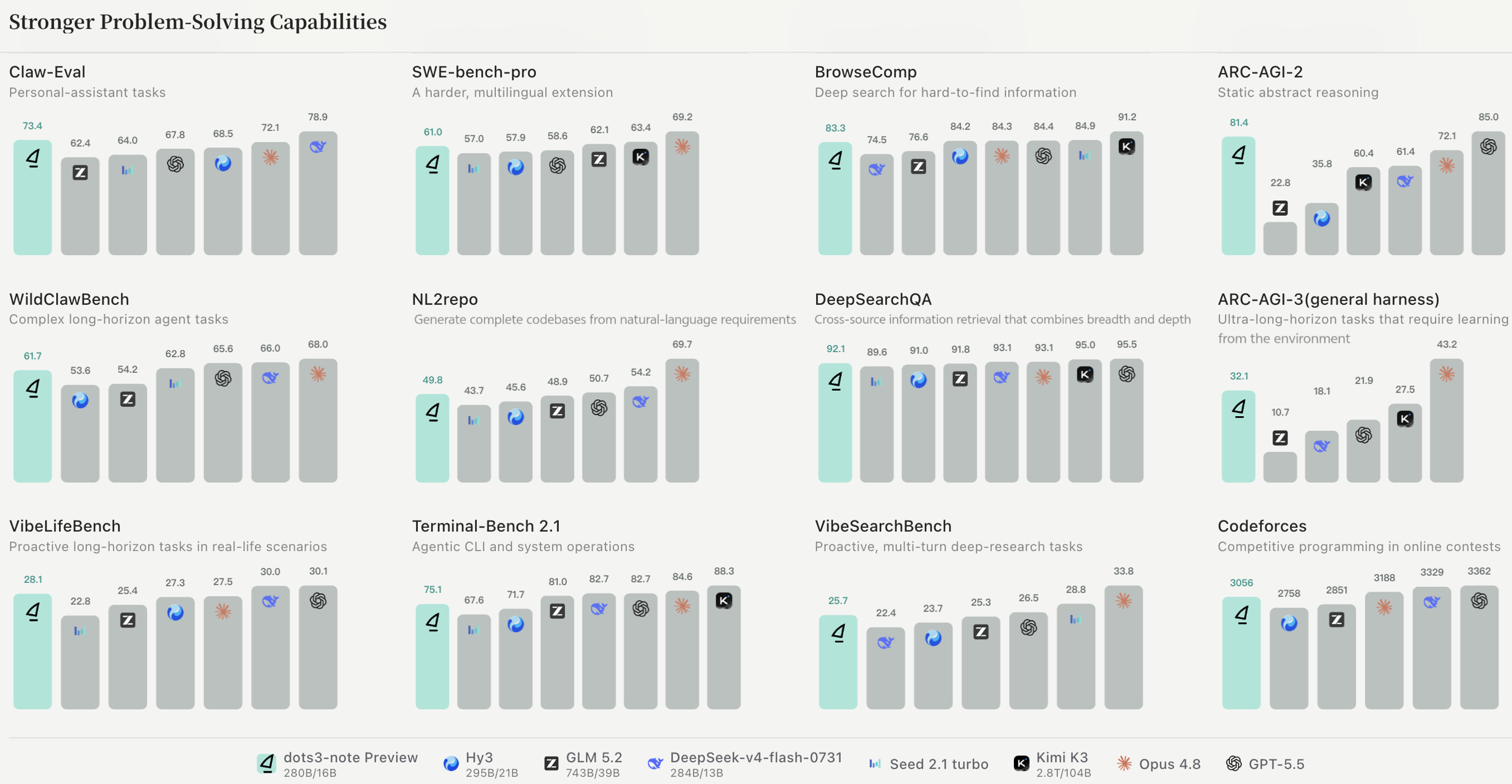
dots3-note-prev by dots-studio: RedNote/Xiaohongshu, the Chinese Instagram, is also getting more serious about model training, although they aren’t exactly a newcomer, having released models as early as 2025. dots3 was also able to win the IMO 2026 with a perfect score using an internal harness. We expect more from them in the near future.
Qwen3.8-Flash-Next by Qwen: A preview of the next version of Qwen models in terms of architecture: 125B-A6B with 51B n-gram embeddings. It uses GDN and Qwen Sparse Attention. Similar to Qwen3-Next-80B-A3B-Instruct, we expect similar architectures to become more popular and the ecosystem to fix integrations by the time Qwen4 drops.
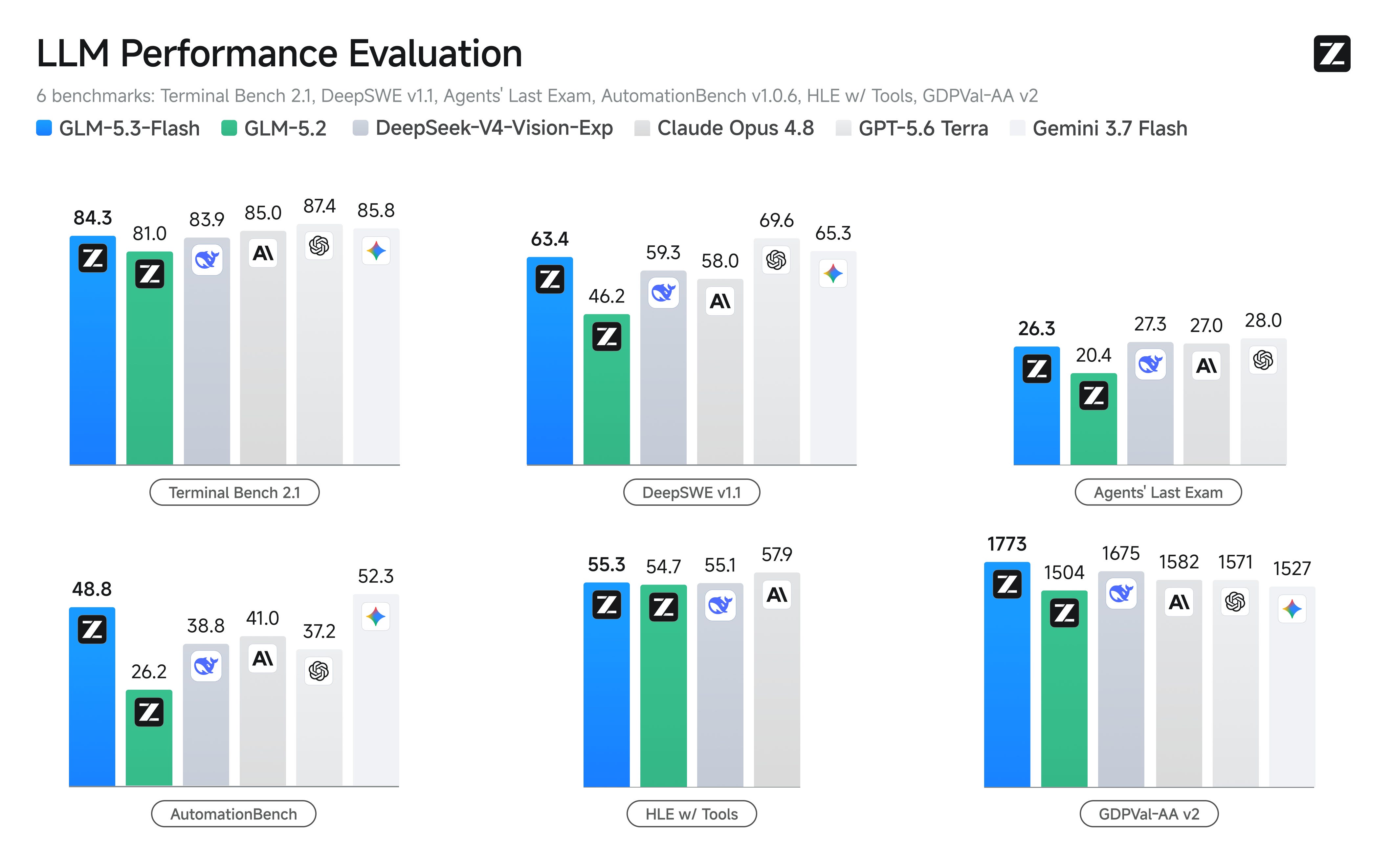
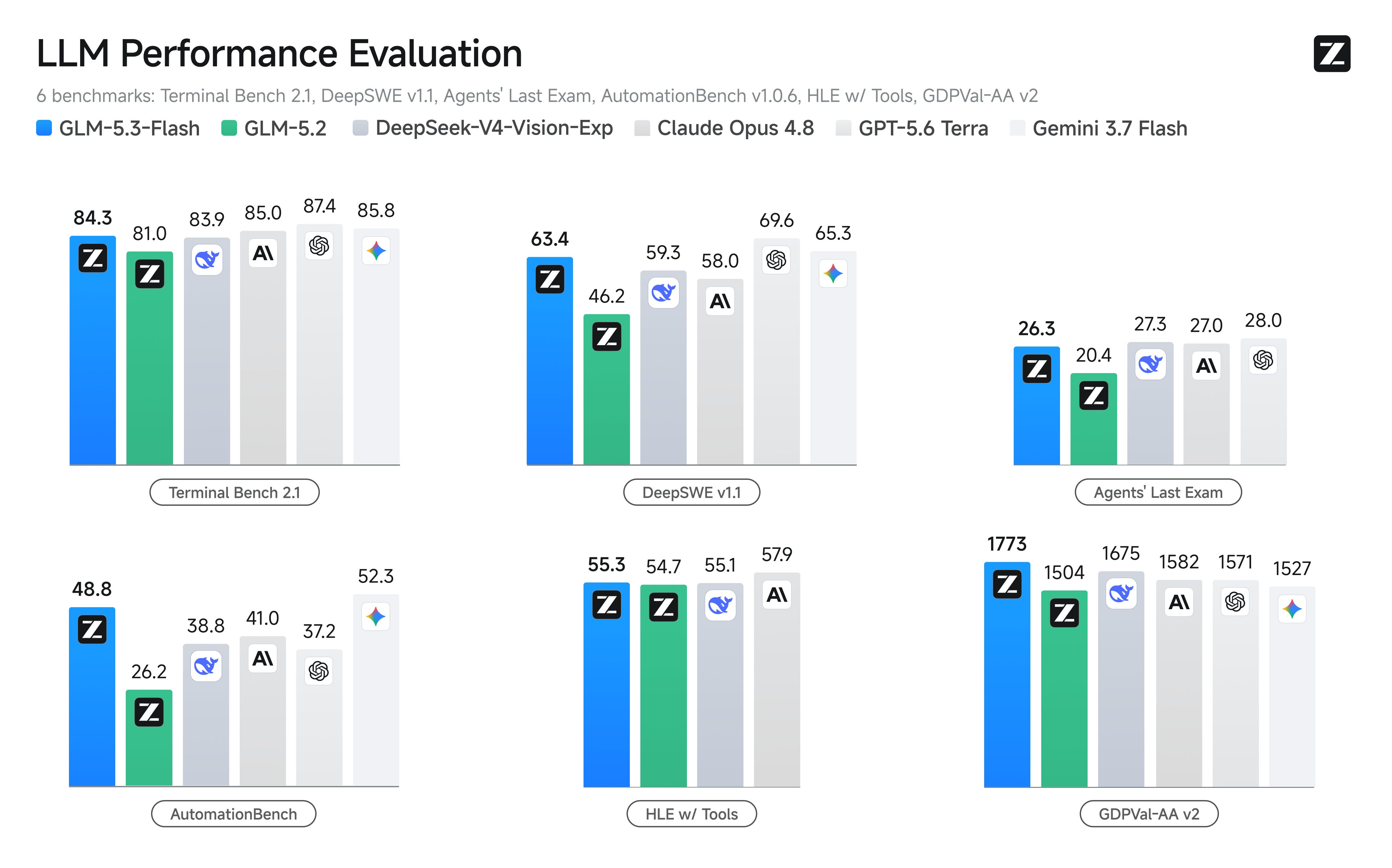
GLM-5.3-Flash by zai-org: This release perfected the version of the Chinese model playbook we’ve written about in 2025: The model got released as a free-to-use “stealth model” under the name “Ox-Alpha” on OpenRouter and OpenCode, which got people excited to try it out in the first place. They then speculated about its creator and size, alleging it is a >1T model from Cursor/xAI, Gemini or a new pre-train from open source labs. Because the model is relatively performant, people kept speculating for days about its creator, thus building up hype. It also dampens the accusations of benchmaxxing which accompany every (open) model release.
Hy4-preview by tencent: Tencent is becoming a serious player in the open model space, increasing the size of their flagship model while spinning the post-training flywheel. The result, Hy4-preview, is a competent model which currently has an issue with overthinking. However, if the trajectory from Hy3-preview to Hy3 is any indication, the final model might be a legit shot at the front ranks of open models.
View more details on all the models in this issue at our Artifacts Hub.
Ling-3.0-flash by inclusionAI: Ant Ling is a frequent guest at the Artifacts Log; they are now on their third iteration of models, adopting a hybrid design (KDA + Gated MLA), similar to others. They also release a small 7.9B-A1.3B version.
Qwen3.8-2.4T-A95B by Qwen: In a rather surprising turn of events, Alibaba started to openly release their biggest versions of Qwen as well. However, it comes with a custom license and its performance is behind other models of its size.
 Login
Login