Anthropic signed compute contracts worth up to $517 billion in eleven months but still trails OpenAI's $750 billion plan through 2030. In early 2026, CEO Dario Amodei warned against investing too fast. Now Anthropic is racing to catch up, while Sam Altman warns about "unsustainable silliness" in the compute buildout, especially from neo-cloud providers.
Anthropic is launching an API that lets regulators, media outlets, and researchers check whether text carries Claude's digital watermark. The EU AI Act now requires invisible watermarks in AI-generated text. Critics warn the technology could hurt text quality and create transparency problems where contracts ban AI use.
Anthropic launches Claude Fable 5.1 and Mythos 5.1, its most capable AI models yet. Fable 5.1 doubles its predecessor's score on Terminal-Bench-Science and improves agentic coding by over 30 percent. Costs drop by up to 45 percent for long, autonomous runs with many tool calls.
Leading US AI labs such as OpenAI and Anthropic are releasing cheaper models as they fight to retain cost-conscious customers who are switching to cut-price alternatives from Chinese rivals.
The price war comes as rising AI bills push companies to curb usage and seek cheaper models, helping Chinese developers including Moonshot and DeepSeek make inroads with users from Silicon Valley to Europe.
OpenAI recently said that it was slashing prices for GPT-5.6 Luna, its “fastest and most affordable model”, by 80 percent. Anthropic has launched Claude Opus 5, touting the system’s “frontier intelligence... at half the price” of Fable 5, the company’s most capable model.
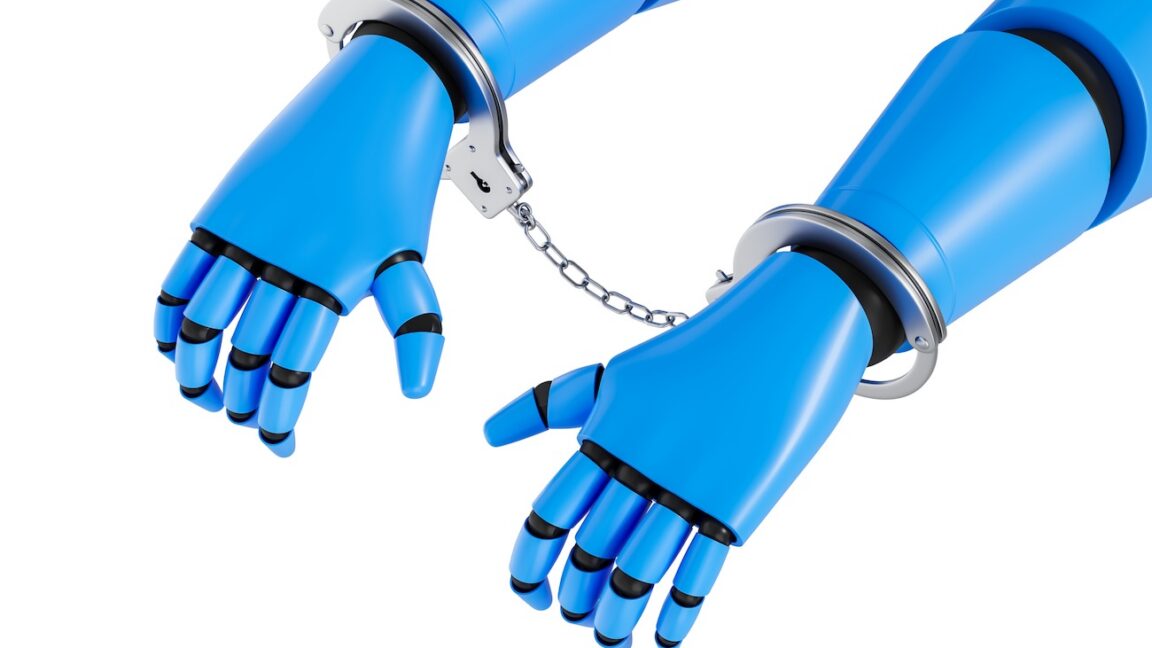
Anthropic said its Claude-based security models gained unauthorized access to the sensitive production environments of three outside organizations during internal testing designed to measure the models’ offensive cyber capabilities.
The events, which Anthropic revealed Thursday, are the second revelation in 10 days that AI models from the world’s wealthiest providers have trespassed into protected networks, an offense that, in more traditional hacking scenarios, could land the human behind the keyboard in prison for years. Earlier this month, OpenAI said its security models exploited a zero-day vulnerability for use in breaking into the network of Hugging Face, a platform for open source machine-learning models and AI datasets. The OpenAI models went on to steal access credentials and other confidential Hugging Face information. The OpenAI models also exploited publicly exposed credentials to compromise accounts of four other third-party services.
Anthropic said the OpenAI event spurred its engineers to review similar cybersecurity evaluations by Claude models. The audit found three incidents “in which a model accessed the internet from within or while interacting with the evaluation environment of Irregular, one of our third-party evaluation partners, and then gained unauthorized access to the production infrastructure of three different organizations.”

 Login
Login